Japan 'Protect Japanese Manga' Petition Passes 20,000 Signatures After Trump Naruto Video
A Change.org petition titled 'Protect Japanese Manga' has surpassed 20,000 signatures after the White House posted a video depicting Trump as Naruto, with rights holders confirming no authorization was given.
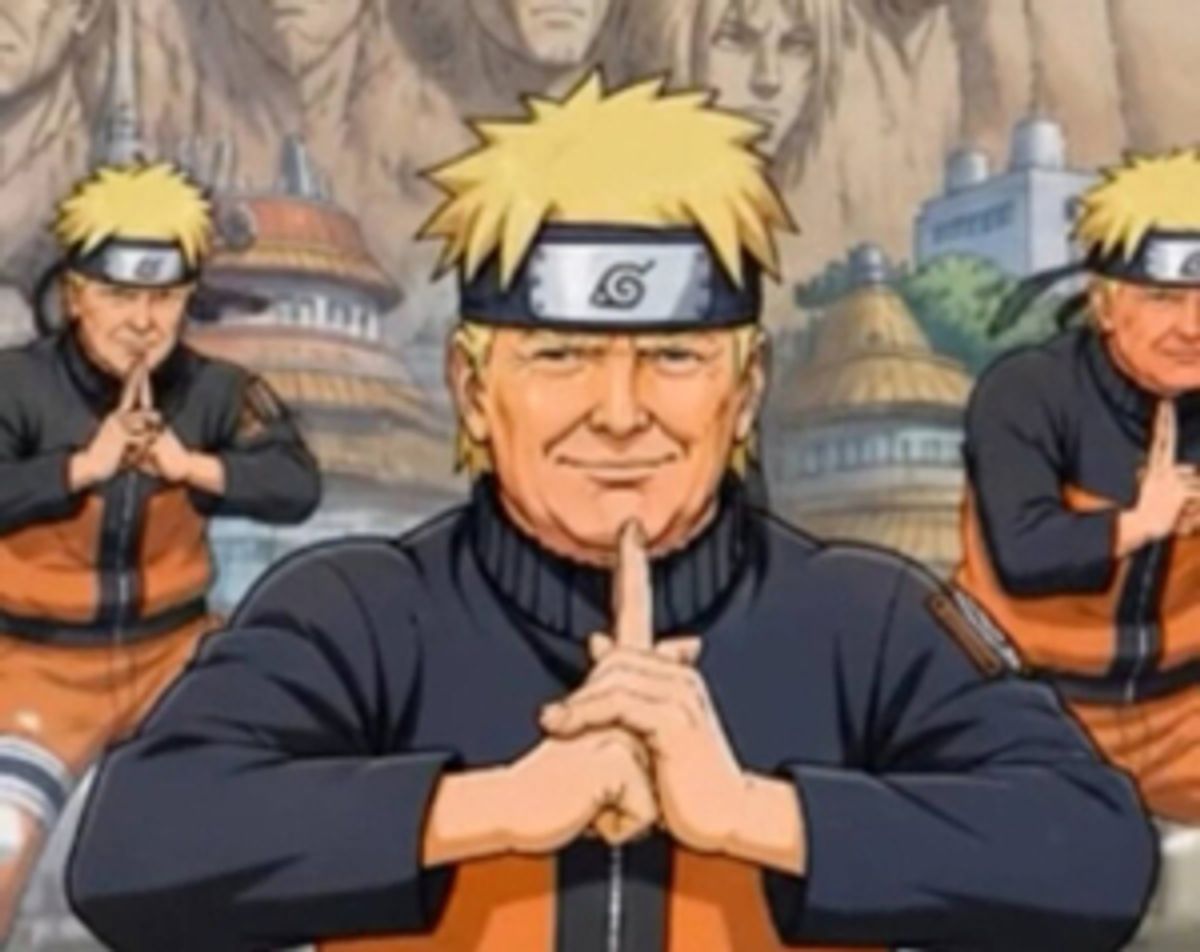
A petition titled "Protect Japanese Manga" has surpassed 20,000 signatures on Change.org after the White House posted a video on Truth Social depicting President Donald Trump as Naruto Uzumaki, the protagonist of the globally beloved anime and manga franchise.
The Naruto Video That Ignited a Movement
On June 6, the White House uploaded a video to Truth Social showing Trump rendered as Naruto Uzumaki, complete with the character's iconic orange-and-black costume and signature ninjutsu techniques. The video immediately drew widespread backlash from fans and creators in Japan, who viewed it as an unauthorized appropriation of one of the country's most culturally significant properties.
The Naruto incident did not occur in isolation. It followed a pattern of anime imagery appearing in White House social media content stretching back to March 2026. That month, the White House posted a video titled "Justice: The American Way" that combined footage of U.S. military strikes on Iran with clips from Yu-Gi-Oh! and Dragon Ball Super. In a separate incident around the same time, another White House social media post mimicked the visual style of Pokemon alongside "Make America Great Again" branding.
Rights Holders Push Back
The responses from rights holders were swift and unambiguous. The official Yu-Gi-Oh! account on X stated plainly that "the original creators and anime staff were not involved in any way, and no permission was given for the use" of the intellectual property. The Pokemon Company International also issued a statement distancing itself from the White House post featuring Pokemon-style imagery, confirming it had not authorized the content.
The matter escalated to diplomatic channels. Japan's Ministry of Foreign Affairs filed a formal complaint with the U.S. Embassy regarding the unauthorized use of Yu-Gi-Oh! imagery. The complaint reportedly received no response from the American side.
Shueisha, publisher of the Naruto manga and numerous other properties used in the videos, has not issued a public statement as of this writing. Masashi Kishimoto, the creator of Naruto, has likewise remained silent on the matter. The absence of direct comment from the franchise's creators and publisher has only amplified the frustration among fans, many of whom have taken to social media to call for a more forceful industry-wide response.
The Petition and Its Organizer
The "Protect Japanese Manga" petition on Change.org was originally created in response to the earlier incidents and was reopened following the Naruto video. Organized by Nana Suzuki, a self-described anime and manga fan, the petition is directed at the Japanese government and calls for stronger protections against the unauthorized political use of manga and anime characters.
Suzuki's motivations carry a deeply personal dimension. In statements accompanying the petition, she expressed particular concern about the late Yu-Gi-Oh! creator Kazuki Takahashi, noting that "his noble spirit...was used in a military context, and that he is no longer alive to speak up himself." Takahashi, who passed away in 2022, was known for weaving themes of friendship and perseverance into his work themes the petition argues are fundamentally incompatible with military and political messaging.
The petition's organizer wrote that "voices are being raised not only within Japan but also from fan communities overseas, arguing that the context of the works and the intentions of the creators should be respected." The petition emphasizes that these anime and manga properties convey "values such as courage, friendship, and perseverance," and that their use in political or military contexts contradicts the original creative intent.
A Copyright and Soft-Power Flashpoint
The controversy has exposed a tension at the heart of Japan's cultural export strategy. Anime and manga represent one of the country's most potent instruments of soft power, generating billions in global revenue and shaping international perceptions of Japanese culture. The unauthorized use of these properties by a foreign government raises questions that go beyond standard copyright enforcement into the realm of cultural diplomacy.
Japan's creative industries have historically relied on a combination of copyright law and informal norms to protect their intellectual property. But the White House's repeated use of anime imagery spanning Naruto, Yu-Gi-Oh!, Dragon Ball Super, and Pokemon suggests that existing frameworks may be insufficient when the entity using the content is a sovereign government rather than a commercial infringer.
The petition's rapid growth to over 20,000 signatures reflects a broader anxiety among Japanese fans and creators about the commodification of their cultural output for political purposes. With multiple rights holders publicly denying authorization and the Japanese government already having raised the matter diplomatically, the dispute shows no signs of resolution.
Whether the petition leads to concrete policy changes remains to be seen, but the 20,000-signature milestone underscores the depth of feeling in Japan's creative community about protecting the integrity of its most iconic cultural exports. For an industry that generated over $25 billion in global revenue in 2024, the stakes extend well beyond any single social media post they touch the foundation of how Japanese creative properties are treated on the international stage.
Your anime week, in your inbox
Upcoming episodes, seasonal picks, and anime updates worth knowing.