Ashita no Joe Manga Artist Tetsuya Chiba Dies at 87
Influential Ashita no Joe manga artist Tetsuya Chiba died at a Tokyo hospital on October 22 at age 87, with his death announced on October 27.
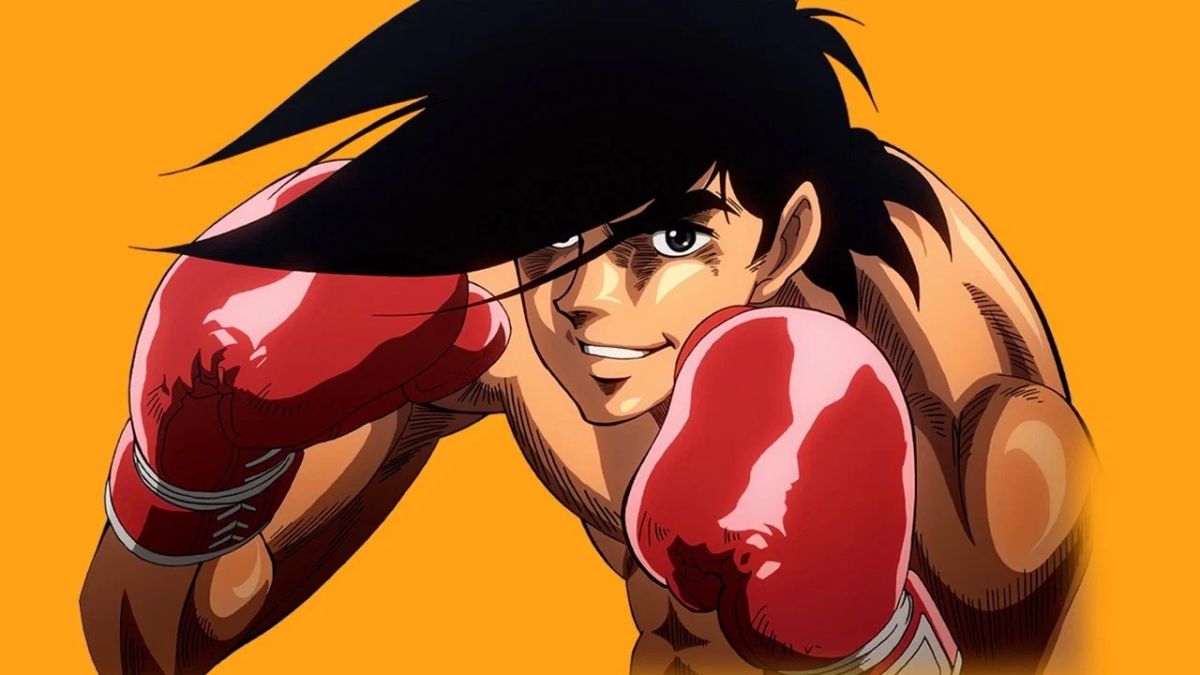
Manga artist Tetsuya Chiba, best known for drawing the boxing landmark Ashita no Joe, died at a Tokyo hospital on October 22 at age 87. His family and publishers announced his death on October 27. Chiba's seven-decade career made him one of the defining figures of postwar Japanese manga.
Family and publishers confirm his death
Chiba's wife, Yukiko, who served as chief mourner, said he died at 6 p.m. and described his life as a happy one for a manga artist sustained by readers across 70 years of work. His funeral was held privately with family members. The family asked people not to send condolence money, flowers, gifts, telegrams, or visit to pay respects.
Shogakukan's comics division remembered Chiba as an artist who spent decades at the forefront of manga while helping develop the medium after World War II. It also highlighted the humanity and desire for peace expressed through his work. A memorial service is under consideration, with details to be announced after plans are settled.
Kodansha also confirmed the death. No cause was specified in the announcement cited by the publisher. The confirmed information places his death at a hospital in Tokyo, five days before it was made public.
A career that helped shape sports manga
Chiba was born in Tokyo on January 11, 1939. His family moved to northeastern China when he was about two years old, and he spent his early childhood there during Japan's wartime occupation. The family endured danger and hunger after Japan's 1945 surrender before returning to Japan in 1946. Those childhood memories later informed Chiba's antiwar themes and his public support for peace and freedom of expression.
He made his professional debut in 1956 with a book created for the rental-library market. After moving from manga for girls into boys' magazines, he worked on the 1961 baseball title Chikai no Makyu, also translated as The Magic Ball. That series helped establish sports manga as a major field for stories about competition, discipline, and young athletes. That interest in sport continued across boxing, kendo, sumo, and golf stories, where his protagonists faced not only opponents but the pressures of building a life and career.
Chiba's most famous work was Ashita no Joe, created with writer Asao Takamori, the pen name of Ikki Kajiwara. Its story follows orphan Joe Yabuki into professional boxing, and its characters became widely recognized beyond manga readership. The series' popularity was so intense that fans attended a mock funeral for one of Joe's rivals.
His other major sports works included Ore wa Teppei, centered on kendo; Notari Matsutaro, about sumo; and Ashita Tenki ni Naare, about golf. His broader catalog also included Mama's Violin, Shidenkai no Taka, Harris no Kaze, and his later autobiographical work Hinemosu Notari Nikki.
Beyond drawing manga, Chiba served as chairman of the Japan Cartoonists Association and as president of Bunsei University of Art. He was also recognized as a Person of Cultural Merit and became a member of the Japan Art Academy.
Chiba leaves a body of work spanning roughly seven decades, with Ashita no Joe remaining his best-known contribution. The next confirmed milestone will be any formal announcement concerning the memorial service now under consideration.
Your anime week, in your inbox
Upcoming episodes, seasonal picks, and anime updates worth knowing.