
Boruto: Two Blue Vortex Anime Confirmed as Seasonal Production by Studio Pierrot
Studio Pierrot has confirmed Boruto: Two Blue Vortex will adopt a seasonal production model, ending 23 years of weekly Naruto franchise episodes.
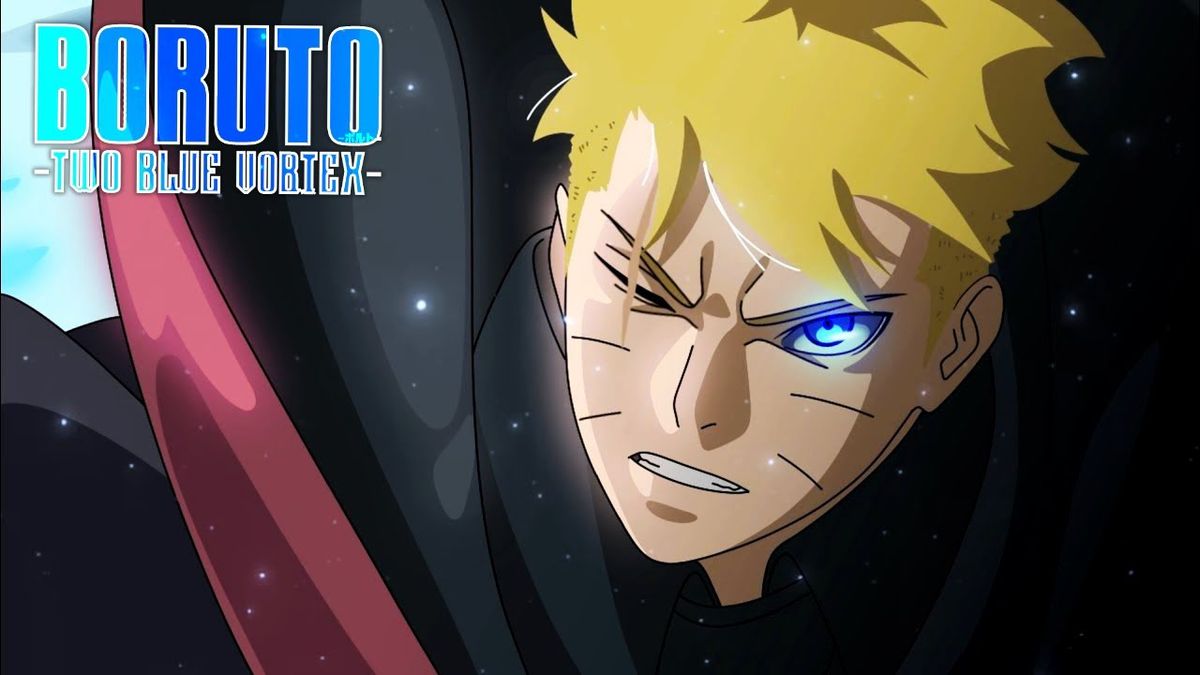
Studio Pierrot has confirmed that Boruto: Two Blue Vortex will be produced as a seasonal anime, marking a historic departure from the weekly episode format that defined the Naruto franchise for over two decades. The studio's president, Michiyuki Honma, confirmed the shift, while lead animator Kyohei Ebata has indicated the manga's intensity leaves no room for anime-original filler content.
Breaking 23 Years of Weekly Tradition
The Naruto franchise has operated on a weekly broadcast schedule since the original series premiered in 2002. Naruto ran for 220 episodes, Naruto Shippuden followed with 500, and Boruto: Naruto Next Generations extended the streak to 293 episodes all produced on a relentless weekly cadence by Studio Pierrot. That model, while commercially successful, became synonymous with a recurring problem: filler.
Boruto: Naruto Next Generations suffered particularly from this issue. Extended stretches of anime-original content that diverged from the manga led to significant viewer attrition over the series' run. Fans frequently cited the overabundance of filler arcs as the primary reason for disengagement, turning what should have been one of the biggest shonen franchises into one that struggled to maintain its audience.
The move to seasonal production directly addresses that legacy. Under the new model, Studio Pierrot will produce defined seasons rather than an unbroken weekly run, allowing the team to focus resources on adapting the manga material faithfully without the pressure to generate filler to fill broadcast gaps.
Kyohei Ebata's Assessment of the Manga
Lead animator Kyohei Ebata, who worked on episodes 287 and 293 of the original Boruto anime, offered a revealing perspective on the Two Blue Vortex manga's suitability for adaptation. Commenting on social media, Ebata stated that the story is "so serious that there doesn't seem to be any room for original anime content."
The remark reflects the narrative density of Mikio Ikemoto's manga, which has maintained a tightly plotted structure since its serialization began. With over 33 chapters published, the manga provides enough source material for at least two full seasonal arcs without any padding. The story's darker tone and faster pacing compared to the original Boruto series make it a natural fit for the concentrated storytelling that seasonal production enables.
Ebata's comment, while a personal assessment rather than an official studio directive, aligns with the broader production philosophy Studio Pierrot appears to be embracing for this adaptation.
Studio Pierrot's Crowded Pipeline
The seasonal approach also reflects practical realities at Studio Pierrot. The studio is currently managing production on both Bleach: Thousand-Year Blood War and Black Clover, two massive shonen properties that demand significant resources. A weekly Boruto production layered on top of those commitments would stretch the studio's capacity to a breaking point.
By adopting a seasonal model, Studio Pierrot can rotate its teams between projects more effectively, dedicating concentrated effort to each series during its active production windows. This mirrors the industry-wide shift away from long-running weekly anime that studios like MAPPA, Ufotable, and WIT have championed with properties like Jujutsu Kaisen, Demon Slayer, and Attack on Titan.
What This Means for the Adaptation
The Two Blue Vortex anime does not yet have a confirmed release date, though production is officially underway. The seasonal format suggests fans can expect cours of 12 to 13 episodes at a time, with production breaks between seasons to maintain animation quality.
For a franchise that lost considerable goodwill through years of filler-heavy weekly broadcasts, the pivot to seasonal production represents both an acknowledgment of past mistakes and a commitment to a higher standard. The manga's existing chapter count provides a strong foundation, and the seasonal model ensures Studio Pierrot can deliver the kind of polished, faithful adaptation that Boruto: Two Blue Vortex deserves without a single filler episode diluting the experience.
Your anime week, in your inbox
Upcoming episodes, seasonal picks, and anime updates worth knowing.