
JoJo Fans Aren't Done Yelling: Steel Ball Run's Fall 2026 Stage 2 Fix Still Hasn't Calmed Netflix Backlash
Netflix's Stage 2 pivot to weekly Steel Ball Run episodes in fall 2026 was supposed to end the uproar. The JoJo fandom has other ideas, and the cursed Johnny Joestar memes keep coming.
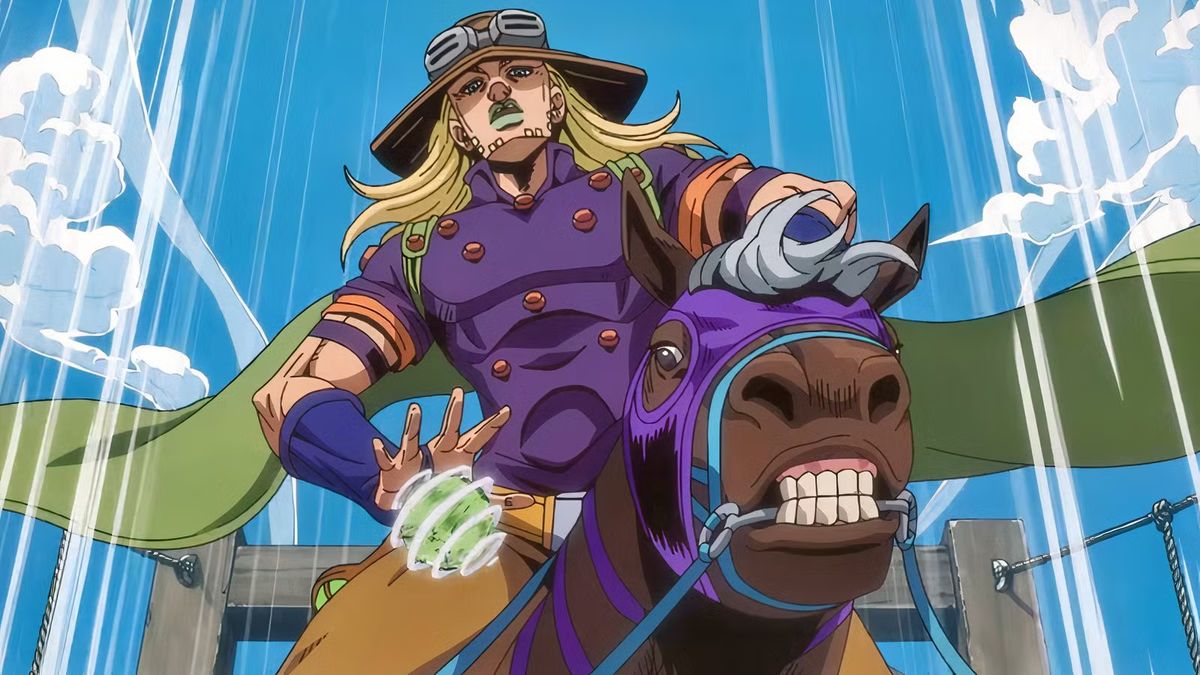
Netflix's attempt to quiet the loudest JoJo's Bizarre Adventure fandom revolt in years isn't working. Even after the platform confirmed that Steel Ball Run will move to a weekly "Stage 2" rollout in fall 2026, the anger that defined the show's launch window is still rippling across JoJo spaces, with fans sharing cursed Johnny Joestar edits, translator call-outs, and thread after thread arguing that a mid-course correction doesn't undo what happened at the start.
The complaint that refuses to die
The core grievance is simple and it pre-dates the Stage 2 announcement. Steel Ball Run, the seventh JoJo arc and the one the fandom has spent more than a decade waiting for, launched on Netflix under a staggered release model that dropped episodes in small batches separated by long gaps. Discussion around the arc's early turns has been described as scattered, with viewers complaining that the pacing of the release actively undercut the pacing of the story a race manga adapted as a drip-feed, with the audience forced to wait weeks between the kind of plot beats that are designed to land hard and be talked about the next morning.
That disconnect between format and material is what fan threads keep circling back to. The show is structured around a transcontinental horse race with hard stage-to-stage escalation; the release, critics in the discussion argue, smoothed that structure into a flat line.
Curses, memes, and translator interventions
The reaction has gotten unusually pointed for an anime release-schedule debate. Posts asking Johnny Joestar, the arc's paraplegic cowboy protagonist, to "curse" Netflix's executives have circulated widely, riffing on the series' own themes of spin-powered karmic retribution. Fan edits treating the schedule itself as a villain have been shared across JoJo communities, and the complaints haven't stayed inside anime circles they've spilled into general streaming discourse as a case study in how not to release a long-awaited adaptation.
Industry trackers also flagged translator pushback during the rollout, with fan-facing localization voices publicly questioning Netflix's handling of the release cadence. That intervention gave the uproar a second wind, because it added a professional voice to what had largely been a viewer-side complaint about vibes and pacing.
Why "Stage 2" didn't land
Netflix's response, confirmed for fall 2026, is to shift Steel Ball Run to a weekly release for its next batch of episodes a format the fandom had been openly asking for since the first gap between drops. On paper, that is a concession. In the discussion, it is being treated as a partial one.
The arguments against treating Stage 2 as a fix fall into three recurring buckets in fan threads:
It doesn't retroactively fix the opening stretch. The early episodes already aired into a broken conversation, and fans argue the "moment" for those beats is gone.
Weekly is the floor, not a gift. Simulcast-era viewers frame a weekly schedule as the baseline expectation for a currently-airing shonen adaptation, not a reward.
Trust is spent. Commenters point to the original rollout as evidence that the platform will default to batch drops again on the next arc unless pressure keeps up.
None of those points are unanimous plenty of posts are relieved that weekly is finally happening and are ready to move on. But the loudest lane of the conversation is still the angry one.
What the fight is really about
Steel Ball Run's Netflix run has become a proxy argument for a bigger fandom worry: that prestige anime licensed to a single global platform can be structurally mishandled in ways a simulcast on an anime-first service wouldn't be. The JoJo fanbase, which spent the 2010s celebrating David Production's adaptation cadence, is unusually sensitive to that worry because Steel Ball Run is the arc they campaigned hardest to see animated.
That emotional investment is why the Stage 2 pivot, even as a real schedule change, hasn't closed the argument. The weekly shift answers the logistical complaint. It doesn't answer the one underneath it.
How this reads from the Indian anime audience
Indian JoJo fans sit inside this fight in an awkward way. The arc's rollout has been a Netflix-exclusive story almost everywhere, including on Netflix India, which means the same batched-then-weekly timeline is what the local audience has lived with. Simulcast habits in India, on the other hand, have been built by Crunchyroll's weekly South Asian slate and by Muse India's free YouTube weekends a daily and weekly cadence that makes the JoJo drip look even more out of step. Discussion inside Indian JoJo communities has mirrored the broader fandom complaints, with the added twist that viewers juggling data caps and shared accounts find a binge-then-wait model actively worse than a predictable weekly.
That local context also explains why the Stage 2 weekly shift has been welcomed more cautiously than fans in larger English-speaking markets might assume. Weekly, for the Indian audience, is not a bonus — it is what every other shonen running on Crunchyroll already delivers, and the real question on Indian timelines is whether the rest of this arc and any subsequent JoJo continuations default to the same cadence from day one.
What to watch next
The near-term test is whether the fall 2026 weekly run actually ships on the promised cadence and whether discussion around those episodes recovers the week-to-week rhythm the launch window lost. If it does, expect the anger to fade into a cautionary-tale status. If Netflix slips back into batching partway through, the curse memes aren't going anywhere and the wider fandom worry about prestige anime stranded on general-purpose streamers will be reignited with fresh evidence.
Your anime week, in your inbox
Upcoming episodes, seasonal picks, and anime updates worth knowing.