
JJK Season 3 Maki Episode Scores 9.8 on IMDB but Splits Japanese and Western Fans
Jujutsu Kaisen Season 3 Episode 4 earned a franchise-record 9.8 on IMDB but ignited a fierce cultural divide between Japanese and Western fans over its Kill Bill-inspired direction.
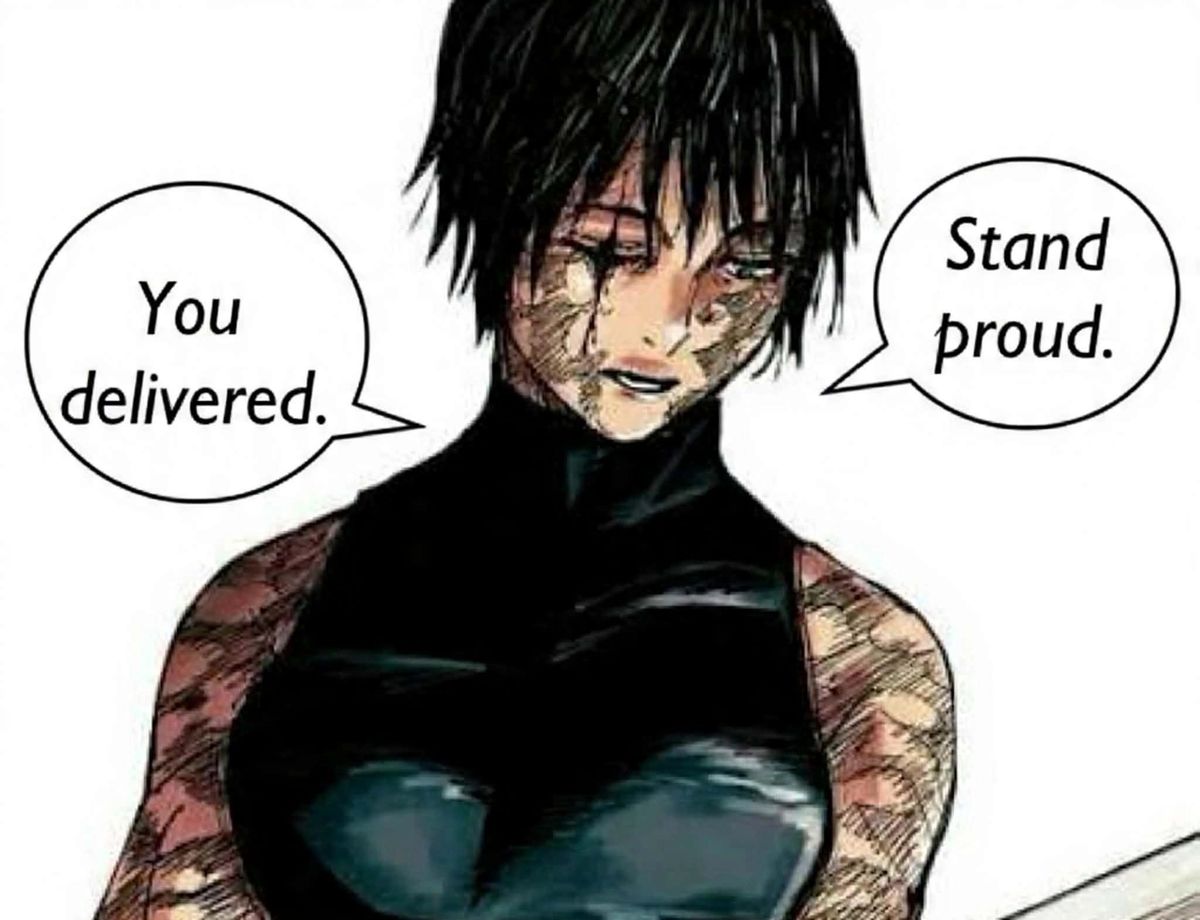
Jujutsu Kaisen Season 3 Episode 4, titled "Perfect Preparation," has earned a 9.8 out of 10 on IMDB with over 17,000 votes, making it the highest-rated episode in the franchise's history. But the record-breaking score has exposed a sharp cultural fault line, with Japanese fans pushing back hard against the very elements Western audiences are celebrating.
A Franchise Record That Tells Two Stories
The 9.8 rating places Episode 4 among the elite tier of anime television on IMDB, where only a handful of episodes across all series have ever crossed the 9.9 threshold. For Jujutsu Kaisen, it represents a new high-water mark no episode from Season 1 or Season 2, including the widely praised Shibuya Incident arc, reached this level of audience scoring. The episode adapts manga chapters 148 through 153 in a roughly 28-minute runtime, covering Maki Zen'in's devastating confrontation with her own clan during the lead-up to the Culling Game.
International audiences flooded social media with praise, calling the episode "peak cinema" and lauding MAPPA's animation team for delivering some of the most visceral fight choreography the studio has produced. Impact frames, fluid camera work, and the sheer emotional payoff of Maki's arc combined into what many Western viewers declared a masterpiece.
The Kill Bill Homage That Divided Audiences
At the center of the debate sits a three-minute sequence that directly references Quentin Tarantino's Kill Bill. As Maki tears through the Kukuru Unit, the episode shifts to stark black-and-white imagery, punctuated by showers of blood that mirror the rhythm and visual language of Tarantino's iconic Crazy 88 fight. The sequence is unmistakable in its intent and execution a deliberate stylistic choice by the anime's creative team.
For Western audiences steeped in Tarantino's filmography, the homage landed as a thrilling surprise that elevated the source material. For a significant portion of Japanese viewers, however, it represented a fundamental misread of the scene's emotional core. The Zen'in massacre in Gege Akutami's manga is not a triumphant rampage it is a moment born from grief, loss, and the annihilation of Maki's identity as she knew it. The stylistic flourish, critics argued, flattened that trauma into spectacle.
Japanese Fans Question Western Taste
The backlash from Japanese fan communities extended beyond the Kill Bill homage itself. One of the most discussed complaints centered on the breakbeat-heavy soundtrack chosen to accompany Maki's rampage through the clan compound. The decision to score a massacre one built entirely on grief and the collapse of a family with an upbeat, funky track struck many domestic viewers as tonally dissonant. Where Western fans heard adrenaline and catharsis, Japanese fans heard a betrayal of the source material's emotional register.
Japanese fan discourse took direct aim at international audiences, with a recurring criticism that foreign viewers are "only interested in the fights" and miss the story's deeper nuances. The argument positions Western fandom as prioritizing animation spectacle over narrative substance a tension that has surfaced before in discussions around MAPPA's adaptations but rarely this sharply. Some Japanese viewers suggested the near-perfect IMDB score itself was evidence of this disconnect, treating it less as validation and more as proof that international audiences reward flash over faithfulness.
A Recurring Tension in Anime Adaptation
This is not the first time a high-profile anime episode has exposed differing cultural expectations between Japanese and international audiences, but the JJK discourse is unusually pointed. The debate touches on a broader question that anime studios increasingly face as their global audience dwarfs the domestic one: whose sensibilities should guide adaptation choices?
Manga readers on both sides of the Pacific have noted that the source material plays the Zen'in massacre with grim restraint. Akutami's paneling is brutal but clinical, allowing readers to sit with the horror rather than be swept up in it. The anime's decision to inject cinematic flair complete with a Western film reference represents a creative interpretation that inherently shifts the tone, regardless of which audience's reading one considers more valid.
Where This Leaves the Conversation
Jujutsu Kaisen Season 3 continues to air weekly on Crunchyroll, including on Crunchyroll India, where the franchise has built a massive following. Indian fans have largely tracked with the international consensus on Episode 4, praising the animation quality while acknowledging the manga purist critique a split that mirrors the broader global divide.
Whether MAPPA adjusts its stylistic approach in response to the Japanese backlash or doubles down on the cinematic direction that has driven record engagement metrics internationally remains an open question. The Culling Game arc has plenty of similarly charged material ahead, and each adaptation choice will now face heightened scrutiny from both camps. What is clear is that Episode 4 has become a litmus test not just for how fans experience Maki's story, but for how they define what a faithful adaptation owes to its source material versus what it owes to its audience.
Your anime week, in your inbox
Upcoming episodes, seasonal picks, and anime updates worth knowing.