Fans React to Dandelion: Gintama Creator's Afterlife Comedy Divides Early Viewers
Dandelion, Hideaki Sorachi's Netflix anime from studio NAZ, dropped all seven episodes on April 16, and early viewer reactions are split between Gintama nostalgia and surprise at its quiet, tender spirit-guide tone.
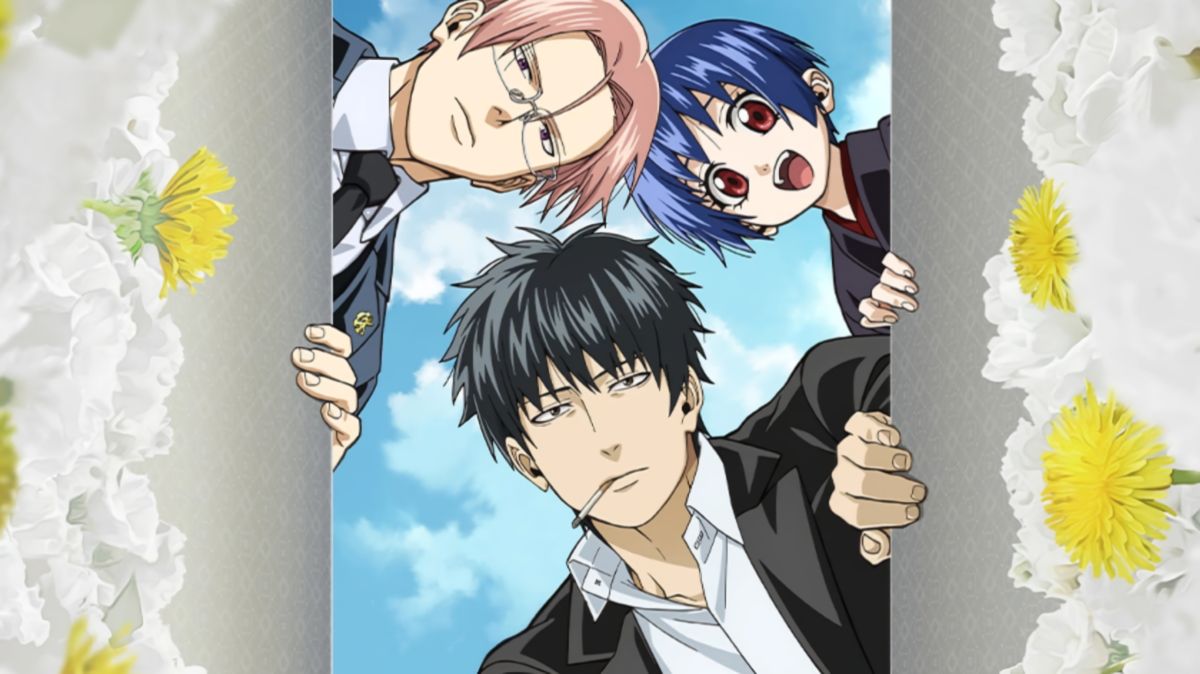
Dandelion, the seven-episode Netflix original adapted from Gintama creator Hideaki Sorachi's debut one-shot, dropped globally on April 16, 2026. Produced by studio NAZ and directed by Daisuke Mataga, the afterlife comedy has immediately split early viewers — some arrived expecting Sorachi's trademark chaos, and instead found a softer, more contemplative show about angels helping the dead let go.
The camp expecting Gintama 2.0
A vocal slice of the fandom came in hot, hoping Sorachi's name on the credits meant another anarchic gag machine in the Gintama mold. That is not what Dandelion delivers, and the disappointment is audible in the first wave of posts. Viewers in this camp have flagged the pacing of episodes one and two as unexpectedly slow, with the Send-Off Department's casework built around long conversations between angels Tetsuo Tanba and Misaki Kurogane and the earthbound spirits they are tasked with guiding to rest.
The complaints cluster around a few specific beats. The show's cold open, which introduces the Japanese Angel Federation's bureaucratic structure, has been called talky and exposition-heavy. The second episode's extended flashback involving a spirit who cannot leave behind an unfinished promise is praised for emotion but criticised by this camp for killing momentum. Some viewers also point to the sparse use of slapstick — a Sorachi staple — as evidence that the adaptation has sanded down the creator's edges.
The camp embracing the tonal swerve
The louder, more enthusiastic camp is celebrating exactly what the first group is rejecting. These viewers argue that Dandelion is doing what Sorachi has always done best: hiding a gut-punch emotional beat inside a comedic setup. Fans who stuck with Gintama through its more dramatic arcs say Dandelion is essentially Sorachi dropping the gag-heavy scaffolding and writing directly to his sentimental strengths.
Early favourite moments in this camp include the third episode's case involving an elderly spirit attached to a family restaurant, and a mid-season episode centred on the legendary swordsman Musashi Miyamoto, who is referenced in Misaki Kurogane's backstory as a spirit she once guided. The Kobayashi-Han voice pairing — Chikahiro Kobayashi as the sharp-tongued Tanba and Megumi Han as the quietly powerful Kurogane — is getting near-universal praise even from the show's skeptics, with many calling the chemistry the strongest element of the premiere batch.
The sub-camp arguing about the genre label
Beneath the main split, a smaller but persistent debate is over what Dandelion even is. Netflix's marketing leaned on the Sorachi-Gintama connection and the word "comedy," which several viewers now feel was a mis-sell. A growing sub-camp is pushing back, arguing the show is closer to a slow-burn supernatural drama with comedic texture than a comedy with supernatural dressing. Comparisons to other quieter spirit-world shows have started appearing in reaction threads, with fans asking newcomers to go in expecting something reflective rather than rowdy.
Another sub-camp is focused squarely on the production. Studio NAZ's character work, built around Asari Ai's designs, and Yuki Hayashi's score have drawn strong notices, with the opening theme "Goron to Doron" by Kocchi no Kento singled out as a tonal fit. Viewers praising the craft argue that even if the pacing is divisive, the show is clearly made with care — which some feel earns it a benefit of the doubt the louder critics are not extending.
Sorachi's own framing is getting recirculated
Part of what is fuelling the measured camp is Sorachi's own self-deprecating comment about the adaptation, in which he said he is embarrassed about his debut work and does not reread it, but that the team has dug it up, animated it, and expanded on it. That framing — an author slightly bemused that his earliest manga is being taken seriously enough to anime-adapt — has been widely shared, and a lot of viewers are using it as permission to treat Dandelion as its own thing rather than a Gintama spin-off in spirit.
That reframing seems to be helping the show. Binge viewers who powered through all seven episodes in one sitting are generally warmer than those reacting after only one or two, and the arc of online conversation since the drop has tilted gradually from "this is not what I wanted" toward "this is not what I wanted, but it works."
Where the India conversation is landing
Indian subtitled viewing is live on Netflix from day one, and Indian anime circles are posting along the same fault lines as the global discourse — Gintama veterans adjusting expectations, newcomers responding warmly to the premise, and a notable contingent pointing out that the show's emotional register sits closer to slice-of-life supernatural fare than to shonen comedy. The compact seven-episode runtime is being praised as binge-friendly for Indian work-week schedules, and Hindi-dub demand is already visible in reaction threads even though no dub window has been confirmed.
What to watch for next
Whether Dandelion builds a second cour will likely depend on how Netflix reads the tail of this launch week. The early reaction curve suggests the show is a grower rather than an instant hit, and the community split — Gintama nostalgia versus tonal recalibration — will probably define the conversation until finale reactions land.
Your anime week, in your inbox
Upcoming episodes, seasonal picks, and anime updates worth knowing.