Kadokawa, a giant in anime and publishing, reports a sharp decline in profits. Is this a symptom of a larger industry problem: a reliance on sequels that are failing to deliver?
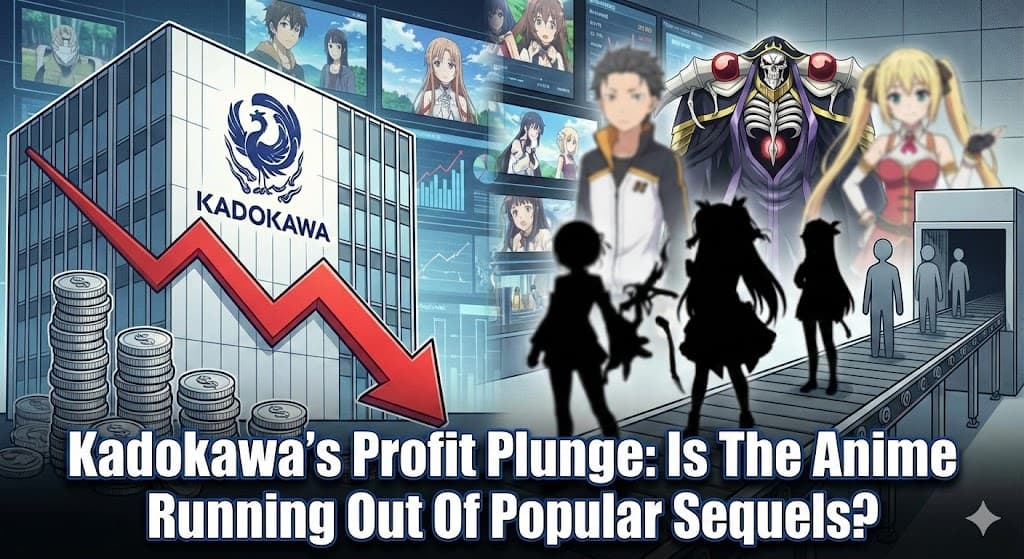
Kadokawa, a sprawling Japanese media conglomerate with significant stakes in publishing, film, and anime production (owning studios like Kinema Citrus and publishing popular light novels and manga), recently reported a sharp decline in profits. This financial downturn is particularly notable in its publishing arm and, critically, its anime business, which has reportedly fallen into deficit due to a "lack of popular sequels." This isn't just a financial blip for one company; it could be a canary in the coal mine, signaling a larger systemic issue within the increasingly sequel-driven anime industry.
For Indian fans, who often encounter anime primarily through these major studios and their flagship titles, Kadokawa's struggles highlight the delicate balance between creative output and commercial viability. It raises questions about the long-term health of an industry that seems to be consuming its own tail.
The anime industry, particularly in the last decade, has become heavily reliant on sequels. Successful manga or light novel adaptations are quickly followed by second, third, and even fourth seasons, maximizing the return on established intellectual property (IP). This strategy made sense: built-in fanbase, proven market appeal, and lower marketing costs.
However, Kadokawa's recent financial report suggests this model might be facing significant cracks. The core issue articulated is a "lack of popular sequels," implying that the well of established, bankable IPs capable of driving massive revenue is either drying up or not being effectively utilized.
Kadokawa's struggles are symptomatic of a broader issue. The anime industry has become overly dependent on sequel revenue, neglecting investment in new, original properties.
When sequels underperform, studios lack backup revenue streams. This creates financial instability even for major players like Kadokawa.
For the anime industry to remain healthy:
Kadokawa's financial health directly impacts what anime gets made. They publish and produce many series popular in India. Their struggles could mean fewer new adaptations, delayed sequels, or cancelled projects.
The anime industry's sequel dependency also means less variety. If you're tired of endless seasonal adaptations of similar light novels, Kadokawa's crisis might force necessary change.
Kadokawa's profit plunge is a warning: the sequel-driven model is failing. The industry must adapt or face more companies reporting similar losses.
For fans, this could mean a transitional period where fewer sequels get greenlit but potentially more original, creative anime emerge from necessity.
Change is painful. But it might be exactly what the industry needs
Weekly updates on the latest releases and announcements.