Petals of Reincarnation Becomes Spring 2026's Most Controversial Anime Over Historical Figures
HIDIVE's Petals of Reincarnation has ignited fierce debate among anime fans for reincarnating Adolf Hitler as a child-like character alongside other infamous historical figures.
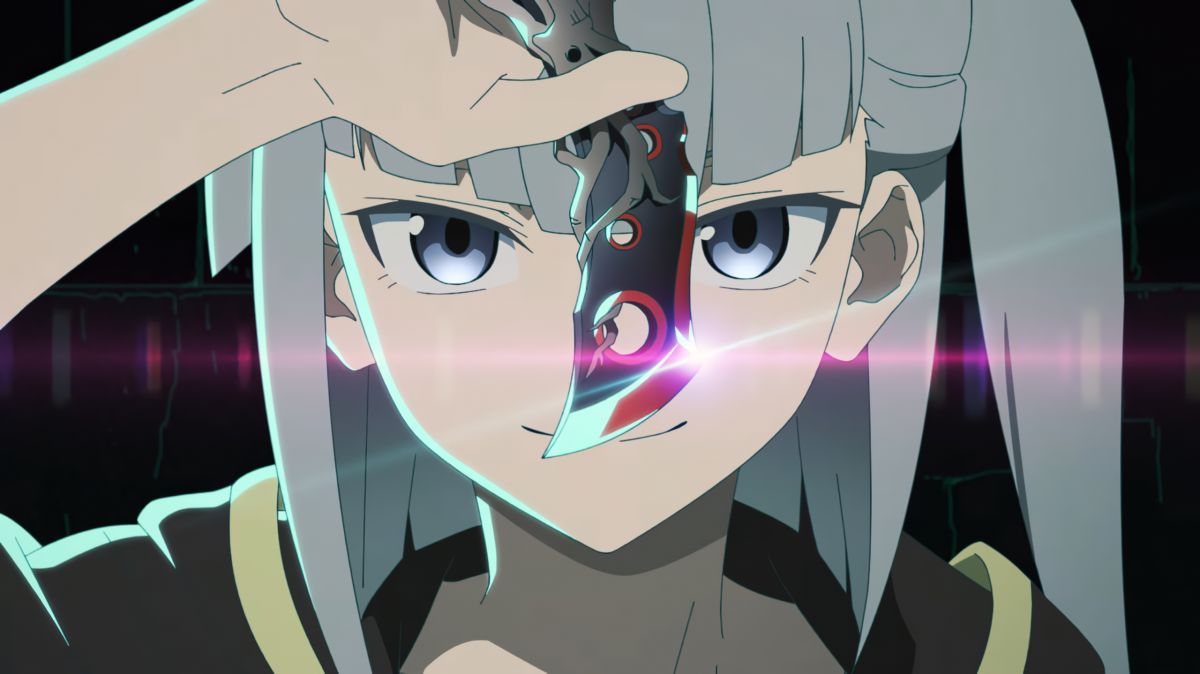
Petals of Reincarnation, the Spring 2026 anime adaptation streaming on HIDIVE, has become the season's most polarizing title. The series depicts reincarnated versions of notorious historical figures including Adolf Hitler, Pol Pot, and serial killer Albert Fish sparking heated community debate over its premise.
A Manga Premise That Pushes Boundaries
Based on Mikihisa Konishi's 2014 manga, Petals of Reincarnation follows high school student Toya Senji, who discovers he can access the abilities of historical figures through a mechanism called the "Stem of Reincarnation." Senji learns he inherited the talents of legendary thief Ishikawa Goemon and sets out to steal everyone else's abilities in a bid to become history's most talented person.
The activation process itself has drawn scrutiny. Characters must slit their own throats to trigger their reincarnated powers, producing a visual flourish of red flower petals. The repeated suicide imagery has unsettled some viewers, even those otherwise willing to engage with the show's edgier elements.
What truly ignited controversy, however, is the roster of historical "Sinners" who appear throughout the series. Hitler is depicted in an androgynous, child-like form serving as a loli general figure, while other entries include Vlad the Impaler and the convicted cannibal Albert Fish. The show also features more conventional historical figures like the legendary swordsman Miyamoto Musashi, but the inclusion of twentieth-century war criminals and serial killers has dominated the conversation.
Why the Debate Cuts Deeper Than Typical Edge
Anime has a long history of repurposing historical figures for fictional narratives, from Fate/Grand Order to Drifters. What sets Petals of Reincarnation apart is how discomfortingly it commits to its premise. Viewers are not simply torn over the show being edgy the discomfort stems from how earnestly the series treats its most provocative character designs without ironic distance or explicit moral framing.
Cultural context plays a role in the divide. Japan's historical distance from World War II means Nazi imagery often functions as shorthand for villainy in manga and anime rather than reflecting ideological sympathy. For Western audiences, however, the casual deployment of Hitler as a cute, powerful character registers very differently, and the gap between these cultural readings has fueled much of the online friction.
Critical Reception Is Split Down the Middle
Professional reviewers have been similarly divided. Some critics have praised the series for its distinct visual direction and genuinely engaging action sequences, calling it absurdly entertaining despite its narrative incoherence. Studio Benten Films, formerly known as Gaina Co., Ltd., has delivered competent animation that elevates even the show's most chaotic moments.
Others have been far less charitable. Multiple reviewers found protagonist Toya Senji deeply unlikable, with one critic declining to continue watching despite acknowledging the quality of the action choreography. Another described the series as trying too hard to appear cool and edgy, ultimately landing on boring rather than impressive. The repeated throat-slitting imagery has also been flagged as a genuine content concern beyond typical anime violence.
Where Indian Fans Can Watch
Petals of Reincarnation streams exclusively on HIDIVE, which remains accessible in India. New episodes drop on Thursdays, and the series is available with English subtitles from premiere day.
The Bigger Picture
Spring 2026 is stacked with high-profile premieres, but Petals of Reincarnation has carved out attention through sheer provocation. Whether the series can sustain interest beyond its shock factor will depend on how it develops its cast of historical reincarnations in the weeks ahead. For now, it stands as a litmus test for how far anime audiences are willing to let historical liberties stretch.
Your anime week, in your inbox
Upcoming episodes, seasonal picks, and anime updates worth knowing.