
Dorohedoro season 2 earns 100% critic score as reviewers hail gorier MAPPA return
Dorohedoro season 2 has opened to a 100% Rotten Tomatoes critic score, with reviewers praising MAPPA's upgraded 3DCG, sharper action choreography and the show's unapologetic gore after a six-year wait.
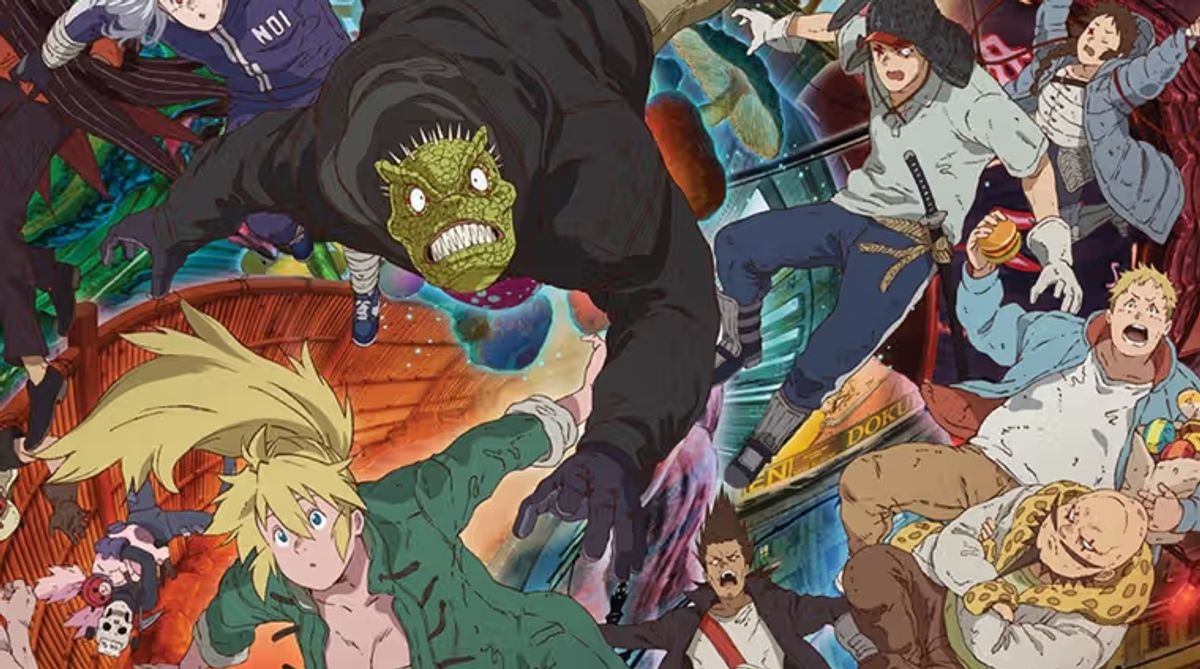
Dorohedoro season 2 has returned to Netflix on April 1, 2026 with a unanimous wave of critical approval, holding a 100% Rotten Tomatoes critic score after its opening run. Reviewers covering the first five episodes have converged on the same verdict: MAPPA's adaptation of Q Hayashida's manga is gorier, better-animated and more confident than the 2020 debut season.
A six-year wait, and a surprise renewal
The gap between seasons is the first thing most reviewers address. Season 1 premiered in 2020, and in the intervening years MAPPA poured resources into Attack on Titan's final season and Jujutsu Kaisen, pushing a Dorohedoro continuation so far down the schedule that many fans had written it off. The renewal, when it came, was treated as genuinely unexpected a point echoed across the coverage that frames the April 2026 return as one of the season's biggest surprises.
Hayashida's manga, with its dense linework, body-horror transformations and dual-world structure split between the smog-choked Hole and the sorcerers' realm, was considered a difficult adaptation even in 2020. The original season leaned heavily on 3DCG to carry Hayashida's chaotic fight choreography, a choice that divided early viewers. Six years on, the production tools and MAPPA's in-house 3DCG pipeline have clearly moved forward, and reviewers say it shows from the first episode.
What the reviews are saying
The Rotten Tomatoes critic consensus leans on a 4-out-of-5 review from Spanish outlet Espinof, with critic Marilo Delgado writing that "the transition from the first season is seamless, and the series has perfectly maintained its distinctive style, with a fantastic blend of CGI and traditional animation." That framing continuity plus a visible craft upgrade recurs in nearly every English-language write-up.
A 7-out-of-10 review of episodes 1 through 3 singles out "a seemingly better production budget," noting that "the animation significantly improved from Season 1" and that "action and gore had gotten more intense in this installment." The same review praises the new opening and ending themes as "almost like a blessing to my ears," and highlights voice actor Koki Uchiyama's performance as a standout. Its main reservation is a familiar one for Dorohedoro: the plot is dense, and subplots like En's dream-world powers and Risu's sorcerer ranking feel disconnected from the main throughline on first viewing.
A separate 8-out-of-10 review credits the season with "reestablishing its tone and cast for fans who have been waiting a half-decade for its return." That critic reserves the strongest language for the show's quieter beats the reunion between Kasukabe and his wife is called "powerfully authentic," and the tender interlude between Caiman and Nikaido is described as "strikingly powerful" precisely because it lands against such a brutal backdrop. The same review flags a recurring criticism around plot armor, arguing that "the sheer amount of damage Noi and Shin manage to endure, without any significant or lasting effect, undercuts the tension and effect of the battle."
Episode 3 and the emotional pivot
Multiple reviews flag episode 3 as the point where the season's ambitions come into focus. The episode turns on Caiman finally seeing Risu's original face, a recognition that destabilises him and forces Nikaido out of the frame. One review treats it as the emotional hinge of the opening arc, arguing that the moment works because the previous two episodes spent real screen time reestablishing Caiman and Nikaido's domestic rhythm before ripping it apart. The tonal whiplash between the Cross-Eyes gang's goofy violence one review calls them "so goofy, even when they're violent" and the suddenly vulnerable Caiman is presented as a strength, not a problem.
The fight choreography through the first five episodes draws the most consistent praise. Where season 1's 3DCG could feel stiff in wide shots, reviewers describe season 2's brawls as weightier, with clearer spatial staging and visibly more frames invested in the gore gags the manga is known for.
The 100% number, with context
The perfect Rotten Tomatoes score is real but narrow. The Tomatometer for season 2 is currently built on a small handful of logged critic reviews, and the audience Popcornmeter has not yet accumulated enough ratings to register. That is typical for a subtitled Netflix anime in its first three weeks, but it is worth stating plainly: the 100% rating reflects unanimous approval among the critics counted so far, not a mature aggregate. As more reviews land particularly once the back half of the season streams the number is likely to move.
For viewers in India, Dorohedoro's first and second seasons both stream on Netflix India, subtitled and dubbed, under the same plan tiers as the rest of the service's anime catalogue. The early critical read is that anyone who bounced off season 1's 3DCG should give the premiere a fresh look; for returning fans, the consensus is that the six-year wait has been repaid in animation quality, if not in plot accessibility.
Your anime week, in your inbox
Upcoming episodes, seasonal picks, and anime updates worth knowing.