Chainsaw Man Season 2 was supposed to maintain Season 1 excellence. Instead faced production chaos. Here's exactly what happened.
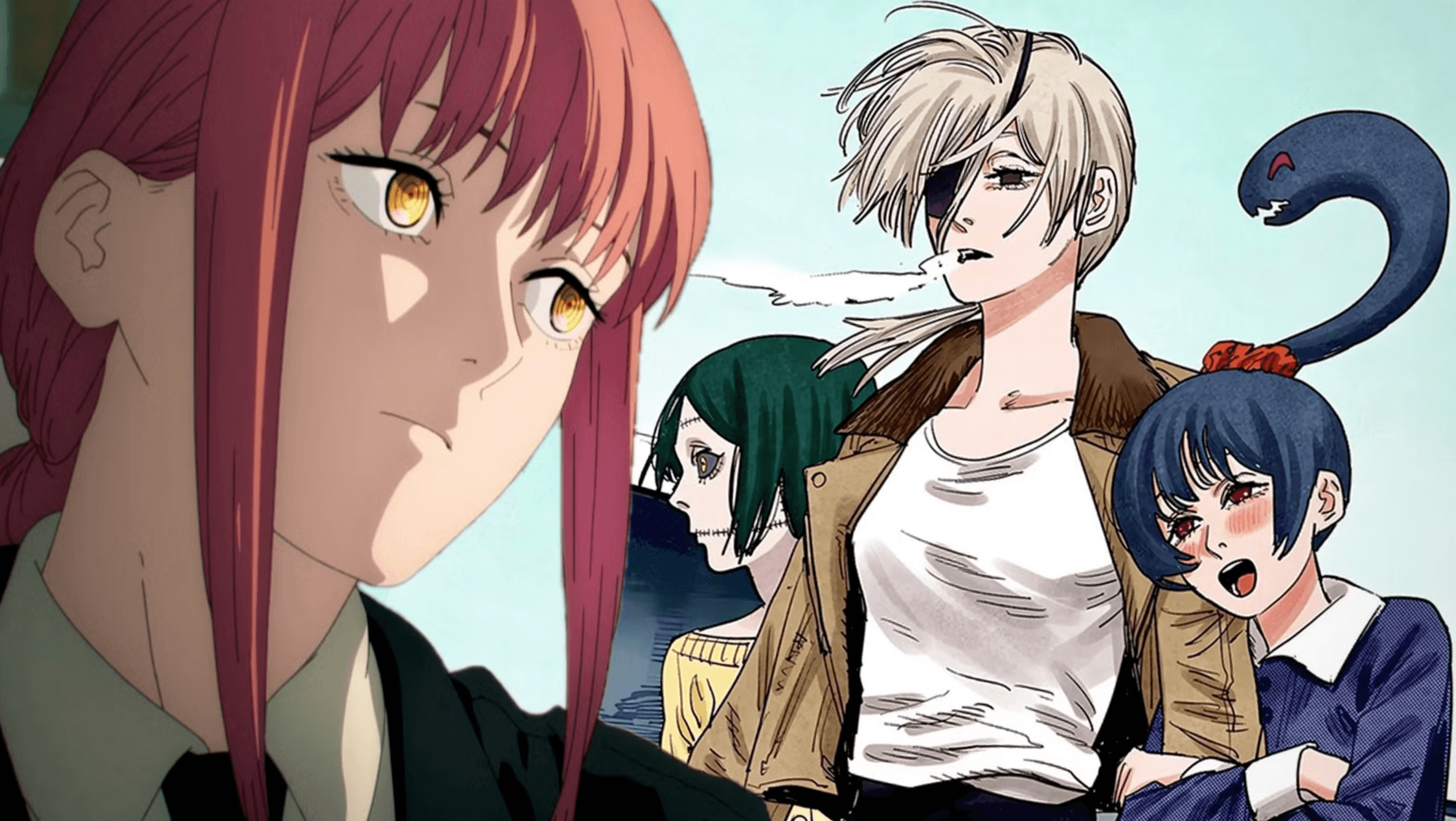
Chainsaw Man Season 1 was 2022's best anime. Stylistic direction, visual innovation, faithful adaptation.
Chainsaw Man Season 2 was supposed to continue that excellence.
Instead, it faced production crisis that visibly impacted final product.
Let's break what happened, why it happened, and what it means for anime industry.
Director Ryu Nakayama adapted Tatsuki Fujimoto's manga with stylistic choices that enhanced rather than adapted.
Visual direction stood out: Experimental angles, off-model animation for expressiveness, budget prioritized effectively.
Not just good adaptation. Visionary direction.
Season 1 success created expectation:
"Season 2 must match Season 1's visual innovation."
That's unrealistic expectation. Creating requires inspiration. Matching requires technical execution.
Season 2 faced:
Season 2 production was shorter timeline than Season 1.
Reason: MAPPA committed to other major projects simultaneously (Jujutsu Kaisen, Attack on Titan Final, original projects).
Chainsaw Man Season 2 squeezed into schedule, not given priority.
Timeline compression meant:
Visible impact: Episodes 1-8 visibly lower quality than planned.
Ryu Nakayama directed while simultaneously overseeing other MAPPA projects.
Director is creative linchpin. Overwork affects quality of every decision.
Fatigue visible in:
MAPPA has reputation for overworking animators. Chainsaw Man Season 2 confirmed it.
Key animators from Season 1 didn't return. Why? Burned out from first season's demands.
New staff brought in mid-production. Less familiar with show's style. Results showed.
Season 1's success didn't translate to Season 2 budget increase.
Studio expected same quality with same resources. Mathematically impossible when expectations higher.
Animation quality drops: Noticeable in Episodes 3, 5, 7. Static shots, limited movement, simplified character models.
Directorial vision diluted: Fewer experimental choices. Safer, more conventional direction.
Pacing issues: Some episodes felt rushed. Others dragged. Inconsistent rhythm.
Sound design less impactful: Season 1's creative audio choices muted in Season 2.
Chainsaw Man isn't isolated incident. It's symptom of larger problem:
Studios overcommit: MAPPA, especially, takes too many projects. Quality suffers across all.
Success doesn't guarantee resources: Hit shows don't automatically get better production conditions.
Director burnout is real: Creators work unsustainable hours. Quality inevitably declines.
Fans pay the price: We get inferior products because studios won't invest properly.
Yes. Several ways:
None of this happened. Because studios prioritize profit over quality.
Fans noticed. Criticism was immediate:
MAPPA stayed silent. No acknowledgment of production issues.
That silence is industry standard. Studios don't admit problems publicly.
Later episodes (9-12) improved. Budget reallocated. Staff caught up somewhat.
Final episodes closer to Season 1 quality. But damage done. First impressions matter.
Season still commercially successful. Blu-ray sales solid. Merchandise moved.
From business perspective: Success despite quality drop.
From artistic perspective: Failure to match predecessor.
Chainsaw Man will get Season 3. Too profitable not to.
Question: Will MAPPA learn from Season 2's problems?
Prediction: No. Industry doesn't change voluntarily. Studios repeat same mistakes until forced not to.
Season 3 will likely face similar issues unless:
Chainsaw Man Season 2 proves that anime industry's production model is broken.
Even flagship properties with proven success get squeezed by unsustainable schedules and insufficient resources.
Until studios prioritize quality over quantity, this pattern continues.
Chainsaw Man deserved better. Viewers deserved better. Staff deserved better.
But in anime's current business environment, "deserving better" doesn't guarantee getting it
Weekly updates on the latest releases and announcements.