Apothecary Diaries season 2 review roundup: critics and MAL crown it 2025 top TV anime
The Apothecary Diaries Season 2 closed its 24-episode run as the highest-rated TV anime of 2025 on MAL, with critics praising its political depth and Aoi Yuki's central performance even as a few flagged pacing.
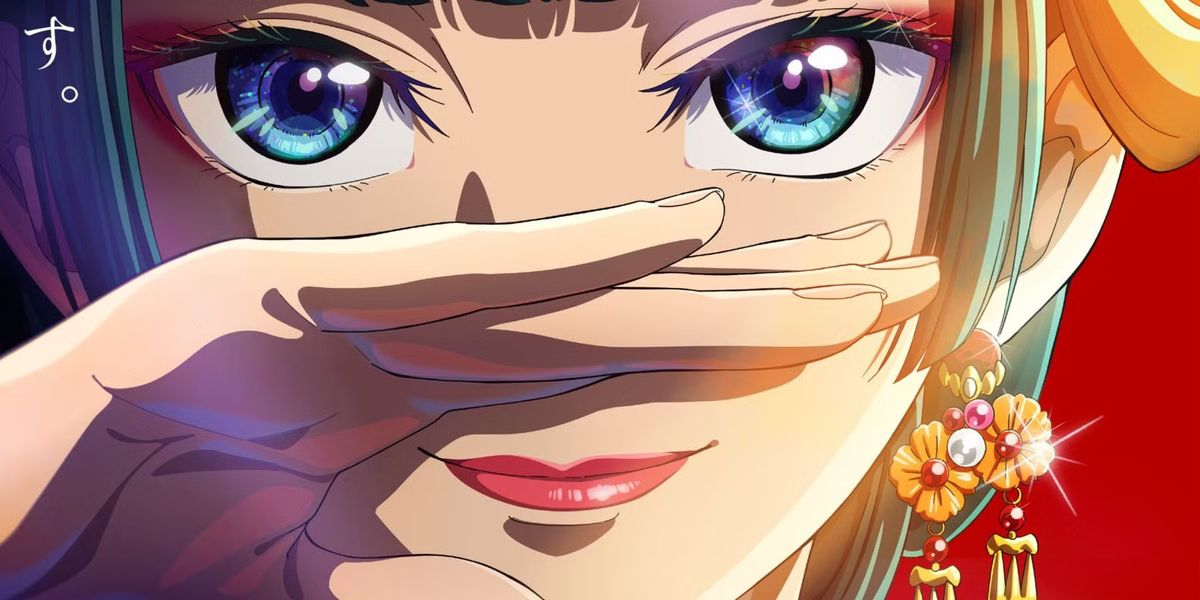
The Apothecary Diaries Season 2 finished its split-cour run in July 2025 as the highest-rated television anime of the year on MyAnimeList, holding an 8.91 weighted score across more than 200,000 user ratings. Animated by OLM and Toho Animation Studio, the continuation built on Season 1's success with a denser, more politically charged arc and the critical consensus has settled firmly on the side of acclaim.
A score that puts it above every 2025 TV release
No other television anime that aired in 2025 has cleared 8.9 on MAL with a comparable rating volume. The Tomatometer for Season 2 sits at 100% across professional critic reviews, with the audience score tracking in the high nineties. Those numbers place The Apothecary Diaries in the same tier as the streaming era's most decorated seinen-adjacent dramas, and well above the median for second-season continuations, which historically suffer drop-off as casual viewers churn out.
The scale of engagement matters here. Season 1 had already pushed the franchise into the global top ten of new anime in 2023-24, but Season 2's ratings curve actually rose week to week an unusual trajectory for a 24-episode run split across January-March and July cours. The finale, which adapted the Garnet Pavilion confrontation, drew the highest single-episode score of the season.
What critics are praising
The near-unanimous critical line is that Season 2 is a structural upgrade. Critics widely highlight the deepened slow-burn dynamic between Maomao and Jinshi, arguing the show finally lets the central relationship breathe rather than rushing through case-of-the-week vignettes. The political layer court factions, the Emperor's succession anxieties, the shadow of the former empress is treated as the load-bearing spine of the season rather than ornamentation.
Aoi Yuki's vocal performance as Maomao continues to anchor the discussion. Her delivery shifts register constantly clinical when Maomao is dissecting a poison, deadpan when she's ignoring Jinshi's flirtation, soft only in the rare moments the writing earns it and reviewers single out her work in the Loulan and Shisui episodes as some of the year's best vocal acting in any medium. Takeo Otsuka's Jinshi gets a comparable level of nuance as the season pulls back the curtain on his actual political stakes.
The production design also draws heavy praise. The Tang-dynasty-inspired Rear Palace costumes, hairpieces, lacquerware, the architecture of the inner court itself is rendered with a level of historical specificity uncommon in mid-budget TV anime. The visual storytelling around poison preparation, herbal remedies, and forensic detail leans into Maomao's apothecary expertise without drowning the viewer in exposition.
Where the criticism lands
The minority view, raised by a handful of professional reviewers, is that Season 2's pacing occasionally fights its own ambition. The split-cour structure gives the political arcs room to breathe, but it also means several mystery cases stretch across two or three episodes when one would have sufficed. A common note is that Maomao's deductive sequences the show's signature pleasure in Season 1 are sometimes interrupted by court-intrigue subplots that don't pay off until much later in the run.
The Shisui-Loulan reveal in particular has divided viewers. Some praise it as the season's emotional peak; others argue the buildup demanded a longer denouement than the adaptation allowed. None of these critiques have meaningfully dented the consensus, but they appear consistently enough to be worth flagging.
The source material and its adaptation choices
The anime adapts Natsu Hyuuga's light-novel series, illustrated by Touko Shino, originally serialised on Shousetsuka ni Narou before its print run under Shufunotomo's Hero Bunko imprint. The novels have moved more than 35 million copies across light-novel and manga formats combined, and Season 2's arc draws primarily from volumes four through seven. The adaptation, scripted by series composer Akihiko Inari, makes selective compressions but preserves the political through-line that Hyuuga seeds across the middle volumes a choice critics have generally endorsed.
Director Norihiro Naganuma's decision to lean into the Tang-inspired worldbuilding rather than treat it as set dressing is the season's defining creative call. The show's fictional empire borrows architecture, fashion, and bureaucratic structures from Tang China while keeping its own political geography, and Season 2 commits harder to that aesthetic than Season 1 did.
Reception in Japan and globally
In Japan, Season 2 finished as one of the most-watched non-shonen TV anime of 2025 on domestic streaming charts, with strong female-skewing demographics that distinguish it from the typical late-night seinen lineup. Globally, the show has been one of the year's most-discussed titles in English-language anime communities, with weekly episode threads consistently among the most active.
For Indian viewers, both seasons stream on Crunchyroll India with English subtitles and an English dub, available across the standard Crunchyroll subscription tiers the Fan plan starts at Rs 79 per month and the Mega Fan plan at Rs 99 per month. No Hindi dub has been announced. A third season has not been confirmed at the time of writing, but with the source novels well ahead of the adaptation and the franchise's current commercial momentum, a continuation announcement remains widely expected.
Your anime week, in your inbox
Upcoming episodes, seasonal picks, and anime updates worth knowing.